
Stocking Your Pantry for Gut Health: A Dietitian’s Expert Guide
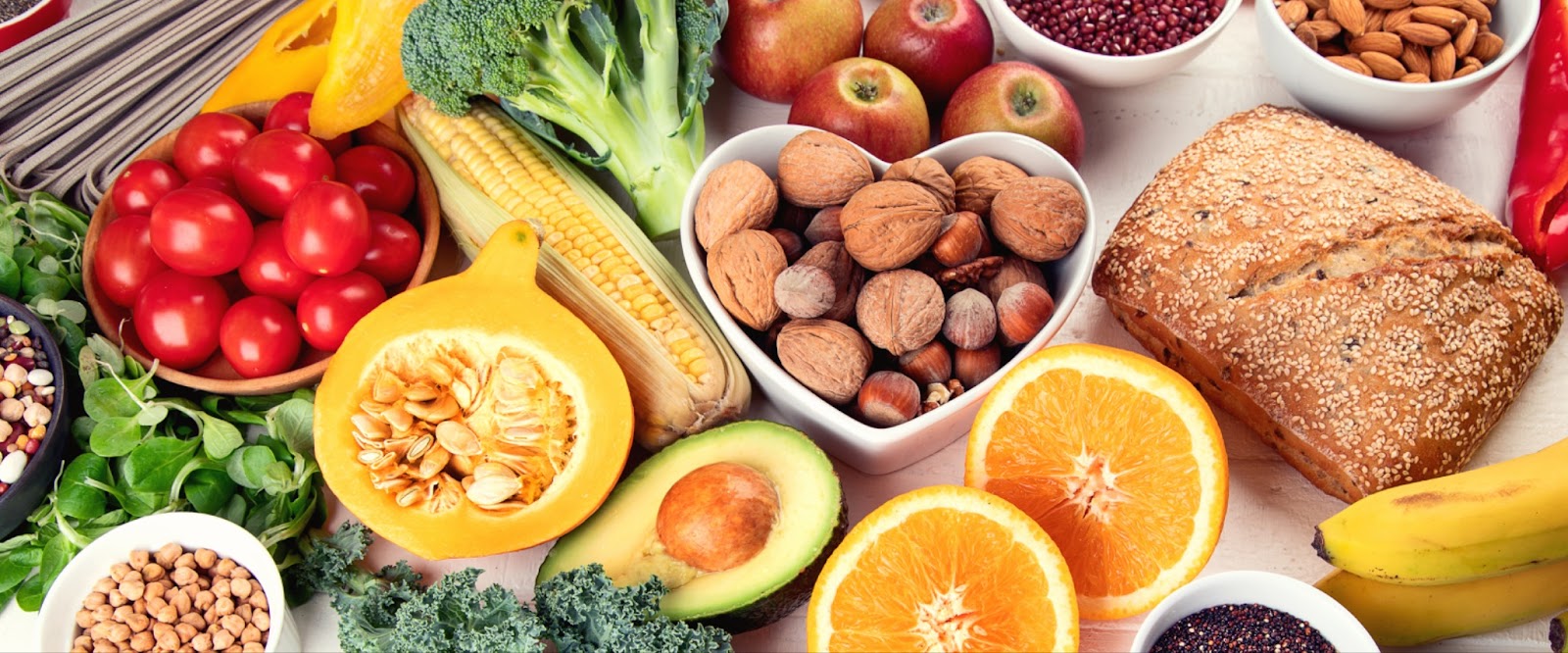
Maintaining your health from the inside out by maintaining good gut health is more important than ever. Emerging studies show that your gut microbiome plays a vital role in your overall health, from digestion to immunity to brain health. You can start by stocking your pantry with the right foods. We will explore essential pantry staples for gut health and tips for meal planning.
Understanding Gut Health
Before we dive into pantry staples, let’s take a moment to understand gut health. Your gut is home to millions of bacteria and other microorganisms that make up your gut microbiome. The ratio of healthy to harmful microbes can influence your health in many ways. This balance is unique to each individual because it is shaped early in life by the type of childbirth and methods of infant feeding. Later, the balace between microbes continues to be influenced by eating habits, lifestyle, antibiotic use, and other factors.. Studies shows that disruption to this balance affects one’s immune health and thus it is associated with other diseases.
Essential Pantry Staples for Gut Health
Fiber-rich Foods
Fiber provides fuel for beneficial gut bacteria. Stock your pantry with high-fiber nourishing foods such as:
- Whole-grain foods including oats, quinoa, brown rice, bulgur, farro, buckwheat, teff, corn, and sorghum
- Fruits such as berries, apples, avocado, kiwi, pears, bananas, prunes, mango
- Vegetables such as broccoli, Brussels sprout, kale, carrot, chard, spinach, mustard greens, beets, sweet potatoes, artichoke
- Legumes such as lentils, kidney beans, chickpeas, black beans, edamame
- Nuts and seeds such as almonds, chia seeds, walnuts, sunflower seeds, pumpkin seeds
Since the average American consumes only around 16 grams of fiber daily, add these foods gradually to your meals to avoid unwanted gas or bloating. Try at least one serving of the above foods for one week, then add another serving the week after until you eat a least 3-5 servings of fruits and vegetables and three servings of whole grain foods. As you increase your fiber-rich food intake, it is important to stay hydrated by increasing your water intake. Soaking and rinsing beans before cooking will eliminate some carbohydrate that causes gas. Avoiding chewing gum and drinking carbonated beverages will also help to prevent gas or bloating.
Probiotics
Probiotics are beneficial bacteria in foods that can help support a healthy gut microbiome. Examples of probiotic-containing foods you can stock in your pantry:
- Cultured dairy products like yogurt, kefir, traditional buttermilk, and cottage cheese with live cultures
- Fermented foods such as sauerkraut, kimchi(spicy fermented cabbage), miso, tempeh (made from soybean), pickles
Look for options that contain live and active cultures for maximum benefit. These foods can be enjoyed alone or as tasty additions to salads, salad dressings, and sandwiches.
Prebiotic Foods
Prebiotics are non-digestible plant fibers that serve as food for beneficial gut bacteria. Examples of prebiotic foods include:
- High-fiber legumes such as beans, lentils, chickpeas
- Garlic, onion, leeks, asparagus
You can incorporate prebiotic foods into soups, stews, and salads to add protein, flavor, and texture and to provide valuable fibers to support your gut health.
You can easily incorporate all these gut friendly foods into your daily meals and snacks. These are some example of fiber-rich meals and snacks:
- Brown rice bowl with chicken, black beans, cabbage, cheese, and salsa
- Oatmeal with berries and walnuts
- Beef and lentil soup
- Split peas soup
- Roasted sweet potatoes with black beans, shredded cabbage and salsa
- Chia pudding
- Hummus with whole grain crackers
- Roasted chickpeas, roasted almonds, popcorn, spiced nuts
Tips for Pantry Organization and Meal Planning
Now that you have stocked your pantry with gut-healthy staples, it’s time to organize and plan for your meals.
- Easy access can be achieved by keeping gut healthy foods front and center for quick and easy meal prep
- Batch cooking gut-friendly foods: for example, cook beans and grains ahead, portion them, and freeze them
- Meal prep on the weekend or every few days
- Besides fresh foods, frozen or canned foods are also excellent options to ensure that you always have healthy options on hand
- Have five to seven recipes that support gut health to be part of your rotation
Key Takeaways
You can nourish your gut and support your well-being with a well-stocked pantry and a little planning. For optimal gut health, remember to prioritize fiber-rich foods, probiotics, and prebiotics. To prevent the overgrowth of harmful bacteria, limit processed foods, refined grains, artificial ingredients, added sugar, salt, and alcohol.
If you have a chronic gut issues, consult your doctor before making major dietary changes. For more guidance, contact a registered dietitian to help you toward a healthier life by making realistic and sustainable changes in your dietary habits. At Nourish Well Together I’m accepting new clients now – book a free meet & greet to get started! Or, in the mean time you can click here for a list of gut-healthy pantry list and subscribe to the mailing list.